
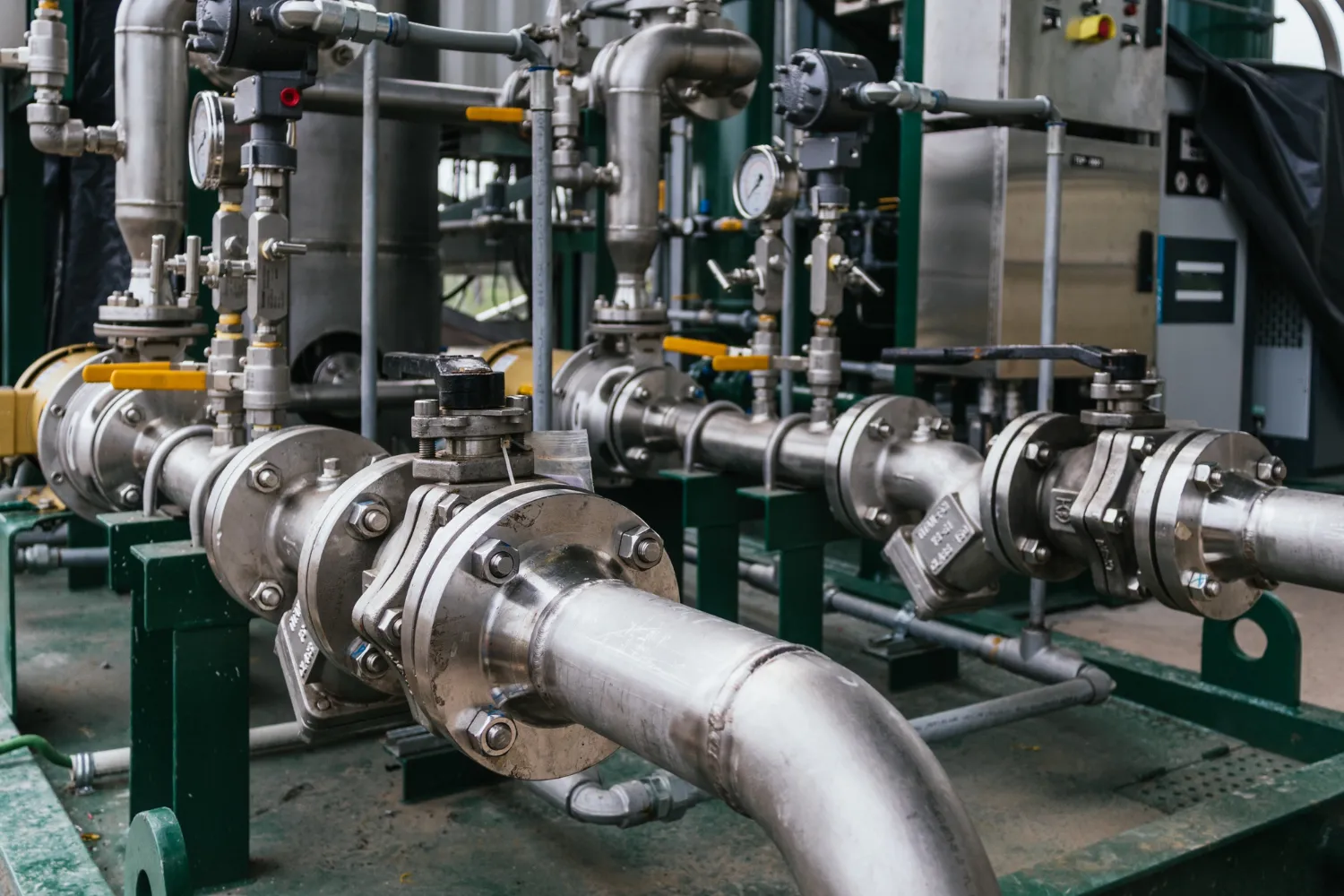
Choosing the right combustible gas detector starts with understanding your gas risks, site conditions, and how the detector will be used. The best option is not always the cheapest or the most advanced, but the one that fits your environment, supports a clear response plan, and can be maintained properly.
Key Takeaways:
- Start with the gas type and how it behaves on site before comparing products.
- Match the detector to the job, whether you need portable, fixed, or combined coverage.
- Check if the sensor type, environment, and alarm setup suit your actual operating conditions.
- Think beyond purchase cost and look at maintenance, support, and long-term reliability.
A combustible gas detector can give your team early warning before a small leak turns into a bigger safety issue. If you are searching for how to choose the right gas detector, start with your site risks, working conditions, and support needs.
In many industrial and commercial settings, combustible gases can build up quickly, so detection needs to be reliable and suited to the environment. That is why it is worth looking beyond price, because the wrong unit can create more safety and maintenance problems later.
Start With the Gas, Not the Product
Before comparing brands or features, first identify the gases on your site. Methane, propane, and hydrogen behave differently, so detection depends on them. Some rise, some sink, and some spread fast, which affects placement, sensor choice, and alarm settings overall.
Know the Properties of the Gas You Are Monitoring
Methane rises, while propane tends to settle in low areas, so detector placement matters. Hydrogen is trickier because it spreads fast and can escape through tiny gaps, which means sites using it often need more careful planning and smarter sensor positioning overall.
Think Beyond Normal Operations
Do not assess gas risks based only on what happens during routine production, because many dangerous leaks happen during maintenance, cylinder changeovers, startup, shutdown, or confined space entry.
A good detector setup should reflect how your site really operates day to day, not how it looks on paper during ideal conditions.
Match the Detector Type to the Job
A common mistake is thinking one detector suits every job. The right choice depends on whether you need personal protection, quick spot checks, or fixed monitoring, because what works for a mobile technician may not suit a plant or storage area.
Portable Detectors for Flexible, On-the-Move Safety
Portable detectors are useful when workers need protection on the go, whether during inspections, maintenance, confined space entry, or temporary checks. To get reliable readings, they still need to suit the gas type, concentration range, and site conditions properly onsite.
Fixed Detectors for Continuous Coverage
Fixed gas detectors are better for areas where risk is ongoing, such as boiler rooms, gas storage areas, production floors, utility spaces, chemical handling zones, and other high-risk points.
Because they monitor continuously and can be linked to alarms, panels, and supervisory systems, they are often the better option when early warning and constant visibility are critical.
Personal, Portable, or Fixed Is Not Always Either-Or
In many workplaces, the best answer is not choosing one category over another, because fixed systems and portable units often work best together.
A site may need fixed detectors to watch key risk areas at all times, while staff also carry portable units when they enter confined spaces or move through less predictable zones.
Choose the Right Sensing Principle
Once you know where and how the detector will be used, the next step is choosing the sensing method that makes sense for your conditions, because sensor technology affects accuracy, reliability, and maintenance needs.
This is one of the most important parts of learning how to choose the right gas detector, since the wrong sensing principle can lead to poor readings or frequent nuisance issues.
Catalytic Sensors
Catalytic sensors are widely used for combustible gas detection and are a practical choice in many oxygen-rich environments, especially where proven, cost-effective detection is needed.
They do require oxygen to work properly, so they may be less suitable in low-oxygen conditions or in environments where sensor poisoning could be a concern.
Infrared Sensors
Infrared sensors are often a strong option when you need combustible gas detection in conditions where oxygen levels may vary or where a longer sensor life is important.
They usually cost more upfront, but many sites accept that trade-off because of the added stability, reduced susceptibility to poisoning, and dependable performance in demanding applications.
Look Closely at the Environment
A detector may look right on paper but still struggle on site if conditions are hot, humid, dusty, corrosive, or hard to service. That is why the environment matters as much as detection range, because the unit must keep working reliably every day.
Indoor and Outdoor Conditions Need Different Thinking
Outdoor sites face rain, wind, heat, and sun, which can affect detector housing and placement. Indoor spaces bring challenges too, because ventilation, corners, equipment layout, and ceiling height influence how gas moves and where leaks may be detected first early.
Harsh Sites Need Stronger Planning
If the area faces chemicals, washdowns, oil mist, salt air, or heavy dust, choose a detector built for those conditions. Details like enclosures, mounting, filters, tubing, and calibration access can help the system last longer and work more reliably over time.
Do Not Ignore Alarm Strategy and Response Time
A gas detector is only useful if people can respond to it properly, which means alarm thresholds, visual and audible alerts, and system integration all need to be thought through before purchasing. You want a detector that gives timely, meaningful warnings without creating so many unnecessary alarms that staff start ignoring them.
Set Alarms That Support Real Decisions
Alarm levels should match the gas’s risk, process, and expected actions, so staff know what to do when alerted. The best systems focus on clear, practical responses, linking alerts directly to evacuation, shutdown, ventilation, investigation, or maintenance actions onsite.
Integration Can Make a Big Difference
For many sites, especially larger or higher-risk ones, it helps when detectors can connect to control panels, building systems, telemetry, or supervisory platforms for better visibility and faster action. This becomes even more valuable when multiple detectors are installed across a facility, because a connected system gives teams a clearer picture of where risk is developing and how fast it is changing.
Think About Maintenance Before You Buy
A detector that is difficult to calibrate, awkward to access, or expensive to maintain can become a problem long after the initial purchase has been approved. That is why you should always ask how the unit will be serviced, how often it needs calibration or bump testing, and whether local technical support is available when something goes wrong.
Easy Maintenance Is Part of Good Safety
Safety equipment should be easy to maintain, because even the best detector cannot help if calibration is overdue or faults are ignored. Choosing a model with simple servicing and clear support can reduce downtime, support compliance, and keep your team confident in every reading.
Long-Term Support Matters More Than a Low Upfront Price
It is easy to focus on the purchase cost, but over time the better decision is usually the one that gives you dependable local support, faster troubleshooting, and a clear maintenance plan. This is especially true for facilities that cannot afford extended downtime or uncertainty around instrument accuracy.
The Smart Way to Choose the Right Gas Detector
If you want a simpler way to decide, ask these key questions first:
- What gas is present?
- Where can it build up?
- Who needs protection?
- What site conditions will affect the detector?
- How will alarms be managed?
- Who will support the system long term?
These points will guide you better than choosing based on price or brand alone. The right detector is the one that fits your risks, your environment, and your maintenance needs.
Why Choose Minerva
When safety, uptime, and compliance matter, it helps to work with a team that goes beyond supplying equipment and focuses on practical guidance. We provide gas and flame detection, environmental monitoring, and engineering support designed for real operating conditions.
With strong experience and trusted products, we help you balance safety, usability, and long-term performance. You can also explore our gas detector products to see the range of solutions available for different site needs.
Our support continues after installation, so your system stays reliable, well-maintained, and ready when it matters most.
Talk to Minerva About the Right Fit for Your Site
If you are still weighing your options, the fastest way to move forward is to speak with a team that understands combustible gas detection in real operating environments and can recommend a solution that fits your site, not just a product list.
Contact Minerva today to discuss your application!


