
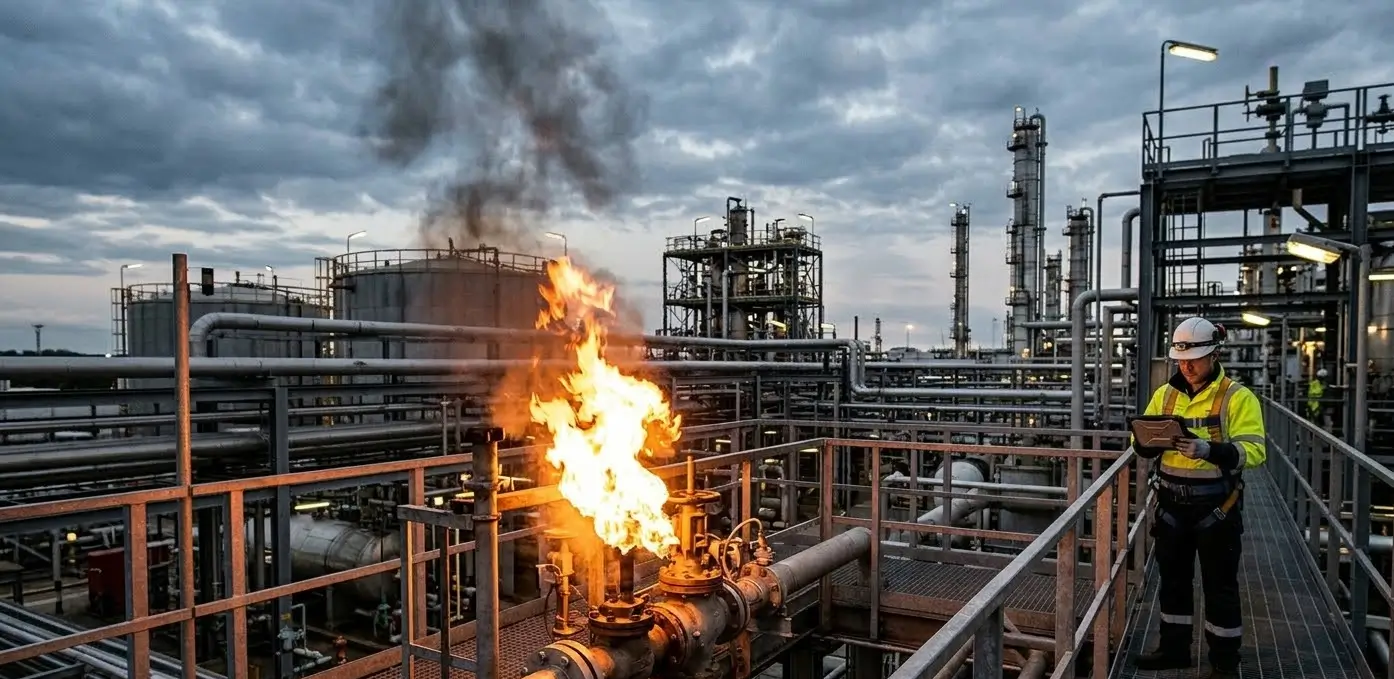
TL:DR: Gas and flame detection helps teams spot hazards earlier, respond faster, and reduce the chance of serious incidents. The right setup depends on the site, the hazards present, and how people work, and it performs best when supported by proper design, maintenance, training, and clear response procedures.
Key Takeaways:
- Match detection to real site risks, not copied specifications.
- Use a layered setup where needed, including personal, portable, fixed, and flame detection.
- Connect detectors to alarms and monitoring for faster, clearer response.
- Maintain system reliability through correct placement, testing, calibration, and staff training.
Why This Matters Now
Many sites delay safety upgrades until a near miss or shutdown forces action, but gas leaks and fire risks do not wait. Gas and flame detection has become a baseline, and the best results come from site-specific design and support.
How Gas and Flame Detection Helps
Gas and flame detection systems help teams spot hazards early so they can act before a situation gets worse. Put simply, they buy time, and in safety work, that extra time can protect people, equipment, and day-to-day operations.
Gas detectors can pick up combustible, toxic, and oxygen-related risks, while flame detectors are built to recognise fire quickly based on the site and application. When set up properly, they can trigger alarms, send signals to control panels, and support a faster, more organised response across the facility.

Gas Detection Basics
- Gas detection is used to monitor leaks, confined spaces, process areas, storage zones, and work areas where exposure can happen suddenly or over time.
- Some detectors are worn by workers, while others are fixed in place for continuous monitoring.
- A stronger strategy may combine personal, portable, and fixed detectors, plus specialty and open path detection.
Flame Detection Basics
- Flame detection helps identify fire quickly in areas where immediate response matters.
- It is especially useful where flammable materials, fuels, vapours, or high-value equipment are present.
- Solutions can be configured for both commercial and industrial sites.
- This flexibility helps teams choose the right level of protection without overspending or underspecifying.
Where Detection Matters Across Industries
A practical, engineering-led detection approach becomes valuable across both industrial and commercial sectors because the risks may differ, but the need for reliable early warning stays the same. What changes from site to site is the hazard profile, operating environment, and response plan.
Oil, Gas, and Chemicals
These sites face combustible gases, toxic exposure risks, and harsh conditions, so detection must be fast and reliable. Fixed gas detection, open path monitoring, and flame detection improve awareness when tied into alarms and shutdown systems.
Power and Utilities
Utilities cannot treat incidents as isolated issues because a single event can disrupt essential services and affect communities. Detection helps teams manage risk earlier, protect critical infrastructure, and support safer maintenance without compromising continuity.
Marine and Offshore
Marine and offshore sites face corrosion, weather exposure, limited access, and strict procedures, so detection equipment must perform reliably under pressure. These tougher conditions leave less room for failure, which makes practical system selection and maintenance planning essential.
Semiconductor and Electronics
Semiconductor and electronics sites often use specialty gases in tightly controlled environments, so detector selection must be precise. Generic choices can create operational problems or safety gaps, making fit-for-purpose specialty gas detection critical.
Manufacturing and General Facilities
Manufacturing, commercial, and residential sites all carry different risks, from process areas to shared service spaces. Even within one facility, detector types and alarm logic may need to vary by zone to match real risks.
Research, Education, and Testing Environments
Labs and testing areas often change setups, gases, and equipment, so detection must stay practical and easy to manage. The right mix of portable checks and fixed monitoring supports safety without slowing day-to-day work.
Choosing the Right Detection Mix
The most effective safety systems are usually layered, not single-device solutions. That means combining different detection methods based on how people work, where hazards may occur, and how the site is managed.
Personal Detectors
Personal gas detectors help protect workers during confined space work, inspections, and mobile tasks by giving direct alerts when conditions change. They do not replace site-wide systems, but they add an important safety layer when backed by training and maintenance.
Portable Detectors
Portable gas detectors are useful for temporary checks, maintenance work, and changing tasks where hazards move around. They also support shutdowns, start-ups, and investigations, and the right sensor setup matters more than extra features when choosing a unit.
Fixed Detectors and Transmitters
Fixed systems provide continuous monitoring where ongoing risk exists and support early warning even when no one is nearby. They become more effective when linked to alarms, control panels, and central monitoring, with good design also improving maintenance and calibration.
Flame Detectors
Flame detectors support fast fire recognition where quick response matters. The right option depends on the site, environment, and likely flame source, and copying another site’s specification can cause problems because commercial and industrial applications often need different detector types.
Common Detection Mistakes to Avoid
A lot of safety gaps come from planning shortcuts, not bad intentions. Teams often buy equipment first, then try to make it fit the site later, which usually creates blind spots or unnecessary costs.
Copying Another Site Layout
It is tempting to copy a detector layout from a similar facility, especially when timelines are tight. But ventilation, gas behaviour, traffic flow, and ignition risks can differ enough to make that layout unreliable on your site.
Choosing by Price Alone
Low-cost options can look attractive during procurement, but they may cost more later if they are not suited to the hazard, environment, or maintenance demands. A cheaper detector is not a better buy if it creates false alarms, missed readings, or constant downtime.
Ignoring Maintenance Access
Even a well-chosen system can become a problem if detectors are hard to test, calibrate, or service. Good planning should consider where equipment is installed, how technicians will access it, and how maintenance will be done safely.
Treating Detection as a Standalone Purchase
Detection works best when it is part of a broader safety plan, not a separate item ticked off during a project. Alarm response steps, staff training, escalation procedures, and shutdown logic should be considered early so the system supports real decisions during an incident.
Delaying Review Until a Problem Happens
Many sites wait until a near miss, nuisance alarms, or an audit issue before reviewing their setup. A proactive review is usually faster, cheaper, and safer than fixing problems under pressure after operations are already affected.
What Detection Can and Cannot Do
Detection systems reduce risk, speed up response, and support compliance, but they cannot replace risk assessments, maintenance, training, or emergency plans. A poorly chosen or badly maintained detector can create false confidence, which is why proper design, placement, and upkeep matter more than sales claims.
Why Choose Minerva
Minerva is more than a product supplier, which matters for sites that need dependable outcomes in live environments. Its focus on industrial safety, measurement, and monitoring is backed by engineering support, customisation, and after-sales service that supports long-term onsite reliability.
We serve industrial and commercial sectors across Singapore and Malaysia, which gives us practical experience across different site conditions. That often leads to better solution matching and fewer costly assumptions. You can also explore our gas, flame detection and environment monitoring solutions for a clearer view of our capabilities.
Take the Next Step Before the Next Incident
If your site is reviewing safety upgrades, planning a new project, or replacing an outdated detection setup, now is the right time to assess your gas and flame detection coverage. Waiting until a near miss forces action usually leads to rushed decisions and poor system fit.


