TL;DR: Hazardous gas safety comes down to knowing where gas can leak and pool, using the right mix of controls and detectors, and keeping everything tested so alarms mean something. When detection, ventilation, shutdown actions, and training work together, you catch problems early and make the right response automatic.
Key Takeaways:
- Map gases and likely pooling zones first, then place detectors based on gas behaviour and real airflow.
- Use layered controls: reduce release chances, validate ventilation, and set alarm actions people can follow fast.
- Maintain trust in your system with routine bump tests, calibration, and timely sensor replacement.
- Drill realistic scenarios so the response is consistent, even during noise, contractor work, and shift changes.
Hazardous gas incidents usually start quietly, like a small leak, a slow build-up, or a detector that isn’t telling you the full picture. If your workplace uses fuel gases, solvents, refrigerants, or specialty chemicals, these seven hazardous-gas-safety-tips will help you cut real risk day to day and choose detection and monitoring that prevents close calls from turning into shutdowns.
Tip 1: Start with a gas map, not a generic risk list
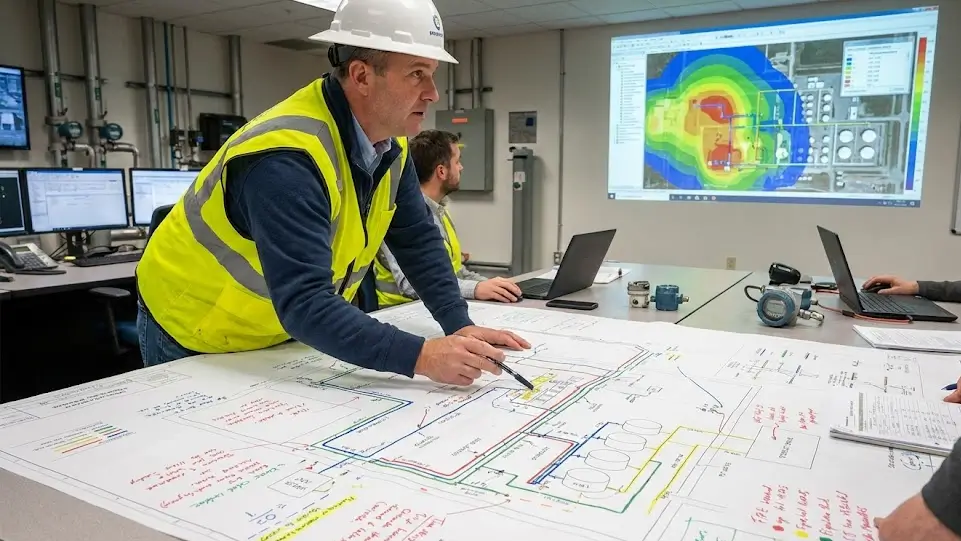
Gas incidents usually show up in the same spots, so sketch a quick gas map of how each gas could behave on your site. Keep it simple and practical by noting where the gas is stored or used, where it could leak, and where airflow might push it or let it pool.
- What gases could be present
- Where a release could happen: joints, valves, storage areas, charging points, sampling lines, purge or vent steps, cylinder changeovers
- Where it could build up: trenches, pits, ducts, cable tunnels, basements, poorly ventilated enclosures
- Confined spaces to treat separately: tanks, manholes, underground access points, enclosed mechanical rooms
Once you can point to the likely release points and pooling zones, picking detectors, placement, and procedures becomes much simpler.
Tip 2: Prioritise controls that prevent exposure, not just alarms
A detector tells you something is wrong, but controls stop people being exposed in the first place. Treat detection as one layer alongside design fixes, ventilation, and clear response steps.
Reduce the chance of a release with simple engineering changes like less gas on hand, better extraction, or automatic isolation. Then confirm ventilation is working and pre-set what happens on alarm, so the response is fast and consistent.
Tip 3: Choose the right detection approach for the way you work
The “best” gas detector is the one that matches your exposure pathways, your gases, and your operating reality. A personal detector on a worker, a portable unit for a task, and a fixed system for continuous protection each solves a different problem.
Pick the detector type that matches how your risks show up
If the work moves, use personal and portable detectors to protect people and handle short-term tasks without overcomplicating it.
- Personal multi-gas: day-to-day maintenance, inspections, confined space work
- Portable units: area checks, leak finding, shutdowns, commissioning, construction, retrofits
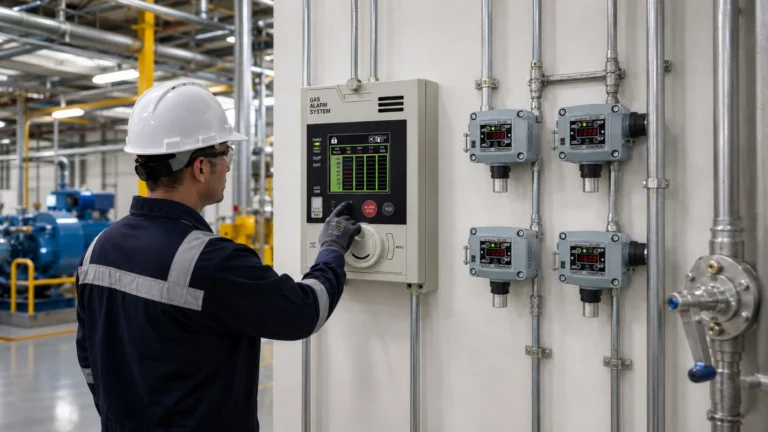
If the risk sits in one room or process, fixed detection gives continuous coverage and can connect to alarms and controls for faster response, which is why it’s a strong fit for production areas, storage rooms, and enclosed plant spaces. If you want to see how fixed detection, flame detection, and ongoing monitoring fit together, check our gas, flame detection and environment monitoring overview.
Tip 4: Get sensors and alarm setpoints right
Two workplaces can install “gas detection” and end up with completely different outcomes, because sensor choice and alarm strategy decide what you actually detect. If your detectors are not tuned to the right gases, at the right ranges, with the right setpoints, you can be compliant on paper and exposed in reality.
Match sensors to your actual gas mix
Do not assume a standard set covers you, especially with specialty gases, refrigerants, or process-specific chemicals. Choose sensors based on real leak scenarios from your gas map, including by-products and oxygen displacement, not just what the SDS lists first.
Think in ranges and response times, not just model names
A detector that reads accurately in the range you care about beats impressive specs that do not match your scenario. Some jobs need low-level sensitivity, while others need fast detection near explosive limits, so pick the sensor technology to suit.
Set alarm logic that drives action, not panic
Alarms should trigger a clear next step that everyone knows. A common setup is a lower alarm for investigation and ventilation checks, and a higher alarm for evacuation or automatic shutdown.
Tip 5: Place detectors for early detection
Detector placement is where most “good gear” fails, because a perfectly capable detector cannot warn you about gas it never sees. Placement should follow gas behaviour, air movement, ignition sources, and the paths people take through the area.
Put sensors where the gas will go, not where it’s easiest
Lighter gases rise, heavier gases sink, and some hazards pool in low spots, so place sensors near likely leak points and where gas could collect.
Avoid blind spots from real airflow
Fans, vents, roller doors, and exhaust can push gas away from a detector, so walk the area and place sensors based on how air actually moves.
Consider where people are working
A detector up high might spot a leak early, but it may miss what a worker is breathing at ground level, so higher-risk areas often need coverage at more than one height.
Tip 6: Keep detectors tested and maintained
A gas detector is a measuring instrument, not a talisman, and measurement drifts if you do not maintain it. The hard truth is that an untested detector can be worse than no detector, because it gives a false sense of control.
Bump test for confidence before critical use
A quick bump test confirms the sensor responds and the alarms work before high-risk tasks begin. This matters most for personal and portable detectors used in confined spaces or enclosed areas.
Calibrate on a schedule that fits your environment
Heat, humidity, dust, and chemical exposure can shorten sensor life, so calibrate based on site conditions, not assumptions. Keep records you can actually use, so you spot patterns early instead of just filing paperwork.
Replace sensors when the risk says so, not when it is convenient
If a sensor is near end of life, throwing repeated errors, or failing tests, replace it instead of stretching it to save a small cost. One incident-driven shutdown will cost more than proactive replacement.
If you want a practical checklist for keeping sensors reliable over time, read our gas sensor maintenance hacks for longevity and reliability.
Tip 7: Make your emergency response boring, fast, and rehearsed
When a gas alarm sounds, the goal is not heroics, it is fast, consistent action that keeps people safe and prevents escalation. If your response depends on someone remembering the right thing under stress, you have built fragility into your safety program.
Define what “stop work” means in practical steps
A stop-work trigger should be clear, because vague rules create hesitation and hesitation burns time. Write response steps in plain language, tie them to alarm levels, and make sure the steps match what your systems can actually do.
Train for the scenarios you are most likely to face
Focus training on the releases that are credible for your site, like cylinder leaks, process upset, solvent vapour build-up, or oxygen deficiency in a confined space. Then run drills that include the messy realities, such as shift changes, contractors, and noisy environments where alarms might be missed.
Use data to improve, not to blame
Alarm logs, incident reports, and maintenance records can show you where controls are weak, where false alarms happen, and where procedures are not realistic. Use that information to improve placement, setpoints, ventilation, and training, so the system gets smarter over time.
Why Choose Minerva
Minerva helps sites detect, measure, and monitor gas and flame risks with practical advice, not just hardware. We help you choose the right instruments for your gases and layout, then set up alarm behaviour and integration that people can act on.
We supply proven options across personal, portable, and fixed detection, including solutions from partners like Japan’s New Cosmos Electric, plus flame detection for tough environments. If your site needs more than an off-the-shelf setup, we can engineer a system that scales from one area to plant-wide coverage.
Ready to reduce gas risk without guesswork
If you want to sanity-check your current setup, review detector placement, or plan a site-wide upgrade, talk to Minerva about what you are trying to protect and how your site really operates.
Contact us to discuss a detection and monitoring approach that fits your environment!