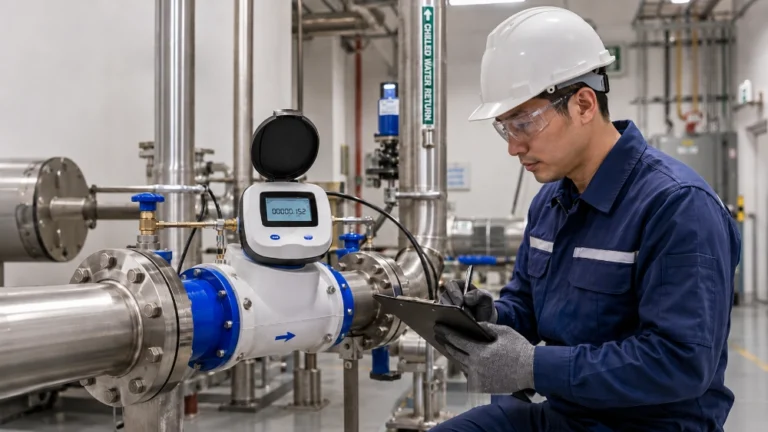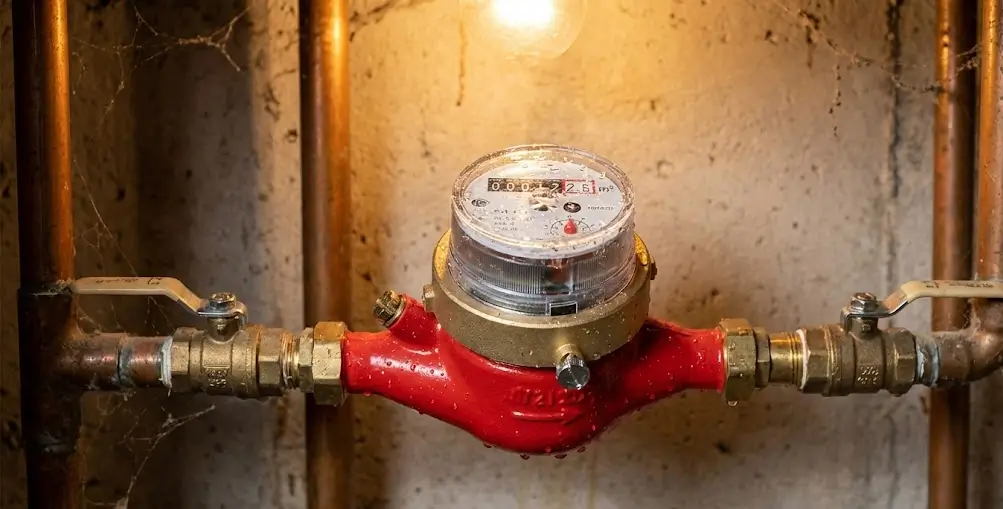
TLDR: A mechanical water meter is only as honest as the pipe size and flow conditions around it. If normal flow sits too low or too high for the meter, you can get under-reading, pressure issues and faster wear even when the meter is new.
Key Takeaways:
- Size for normal day flow, not rare peaks, so the meter runs in its best range.
- Oversized lines can hide real usage, while undersized lines can create pressure loss and wear.
- Installation details matter, especially straight runs and keeping bends, valves and pumps away from the meter.
- If water quality is poor, protect the meter with filtration or choose a meter technology better suited to the conditions.
Choosing a mechanical water meter sounds simple until the readings do not match reality, the bills spike, or tenants start arguing over who used what. Very often, the issue is not the brand or technology, but a basic detail that many teams rush past: the pipe size.
Get pipe sizing wrong and even a high quality meter will struggle to perform. Get it right and the same meter suddenly becomes a reliable tool for billing, leak detection and system optimisation.
When A “Working” Meter Quietly Costs You Money
Most Singapore facilities do not notice metering issues until something hurts, like a sudden bill spike or a tenant arguing over their usage. By then, a poorly sized mechanical water meter may have been quietly feeding distorted data into your reports for months or even years.
When a meter is too large, low velocities make it under-register everyday flows and hide real consumption. When it is too small, pressure loss, stress and faster wear start to show up in noise, complaints and avoidable maintenance work.
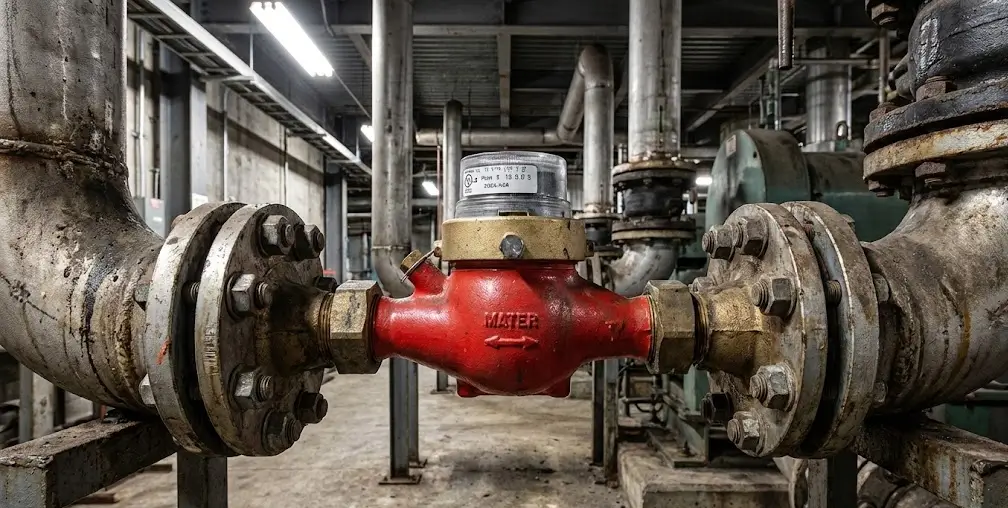
How Pipe Size Skews Accuracy, Wear And Billing
Pipe size is not just a number on a drawing; it controls how fast water moves through the meter and how well the internals can track that flow.
- When velocity is too low, the internals barely move, so the meter shows neat numbers that sit below the real usage.
- When velocity is too high, the meter works too hard, which speeds up wear, adds pressure loss and shortens its life.
- In daily operation, wrong sizing shows up as noisy pipes, strange readings, surprise bill jumps and more meter swaps than you planned for.
What Really Changes Between DN15 And DN400
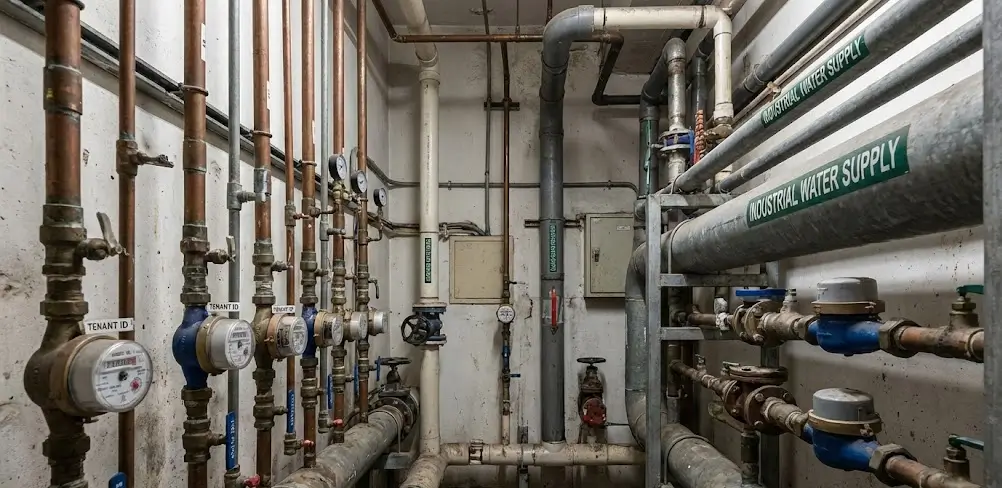
On paper, mechanical water meters look alike, but a DN15 serving one tenant and a DN300 on an industrial line are doing very different jobs. Smaller sizes see lighter flows and frequent starts, while larger lines carry heavier base loads with occasional sharp peaks.
Flow range, peak demand and usage all track closely to pipe diameter, so a meter that feels right at DN25 can be wrong once you move to DN100. That is why “just match the existing size” is risky, especially in older buildings where pipework has been oversized, undersized or altered over time.
Getting Clear On Your Application First
Before you shortlist a mechanical water meter for your needs, pull back and describe the application in plain language, focusing on how the system really behaves day to day. A simple way to do this is to walk through a few key questions and note the answers in clear, easy numbers.
Step 1: Who And What Are You Measuring
Start by being clear about who the meter serves and what the readings will be used for, because that shapes both pipe size and meter choice.
- Typical uses include process lines, mixed use buildings, hotels, cooling tower make up and small unit clusters.
- Each has its own flow pattern, operating hours and accuracy needs.
- For billing or cost sharing, even small errors quickly turn into real money.
- For internal monitoring, you can choose a different balance between cost, accuracy and meter life.
Step 2: Understand Flow Range And Peaks
Focus on normal day flow, not the once in a while peaks during tests or emergencies. Many sites are sized for the worst case, then run far below that most of the year.
Mechanical meters perform best when everyday flow sits in the middle of the recommended range. The right pipe size keeps velocity healthy, while an oversized line keeps it sluggish and pushes readings low.
Step 3: Allow For Growth Without Overdoing It
Plan for growth, but do not upsize “just in case”, because that is how you end up with a meter that barely moves during normal use. If expansion is only a maybe, size for what you can defend with real plans.
If big growth is locked in, design for it instead of guessing. Staged metering or a wider range meter usually beats jumping pipe sizes and living with low velocity for years.
Step 4: Check Water Quality And Debris
Mechanical meters work best with clean water, because grit and scale can jam or wear the moving parts, especially on smaller pipes. If your line is dirty, use a strainer, size carefully and place the meter on the cleanest branch you can.
If the water quality is consistently poor, do not force it. Consider a different meter technology that is better suited to the conditions.
Matching Meter Type To Pipe Size And Duty
Once you know your flow profile and what the meter is for, matching pipe size to meter type gets a lot easier, and it is worth doing because mechanical meters do not all behave the same in the real world. In most Singapore sites you will usually be choosing between multi jet, piston and turbine meters, and each one suits different pipe sizes and usage patterns.
Multi Jet Meters For Small To Medium Lines
Multi jet meters suit smaller lines like DN15 to DN40, especially where flows are modest and you still want dependable readings for billing or cost sharing. They behave best when the pipe is not oversized and the water is reasonably clean.
Piston Meters When You Need High Sensitivity
Piston meters are built for very low flows, which makes them useful for unit level supplies and leak sensitive setups. They are less forgiving with dirty water, so filtration and sensible sizing matter.
Turbine Meters For Larger Diameters
Turbine meters are common on larger pipes, roughly DN40 to DN400+, where flows are higher and demand is steadier. Oversize it and it can under-read at normal flow, undersize it and you risk pressure issues and faster wear.
Singapore Specific Realities You Cannot Ignore
Pipe sizing in Singapore is rarely as simple as “pick a DN size”, because the building and site conditions set the rules.
- High rise and mixed use sites have long runs, shared risers and tricky tenant splits, so sub metering accuracy matters.
- Tight plant rooms squeeze straight runs and access, which makes some installs hard to fit and even harder to service.
- Industrial estates need stable readings across a wide flow range, while still fitting existing pipe racks and tie in points.
- The right choice matches the site reality, not just the datasheet.
Why Choose Minerva For Mechanical Water Meter Projects
When pipe sizing goes wrong, you usually feel it later through billing disputes, wasted hours and avoidable call outs. Getting it right early is cheaper than trying to rebuild trust after the numbers start looking suspicious.
Minerva helps Singapore property teams, utilities and industrial sites match pipe size, meter type and installation details to what is actually happening on site. We review drawings and flow assumptions, supply options like our Sensus mechanical water meter range, and support you through commissioning and verification so you are not left guessing after install.
Ready To Get Honest About Your Pipe Sizes
If you suspect your current meters are under-reading, wearing out faster than they should, or simply not matching how your site operates, it is worth taking a fresh look at the sizing. A short technical review can often reveal where a change in pipe size or meter selection would quickly improve accuracy, reduce pressure issues and cut down on maintenance surprises.