

TL;DR: Specialty applications are purpose-built solutions that solve problems generic materials cannot. From coatings that stop corrosion to systems that control vibration and fire risk, these applications help industrial facilities stay safe, compliant, and efficient over the long term.
Key Takeaways:
- Generic fixes often fail in demanding industrial environments.
- Specialty coatings, insulation, and waterproofing improve performance and lifespan.
- Proper vibration and noise control reduce wear and protect worker health.
- Fire and hygiene solutions help meet strict safety and regulatory standards.
- Custom fabrications ensure a perfect fit for unique operational needs.
Are You Still Using Generic Solutions for Industrial Problems?
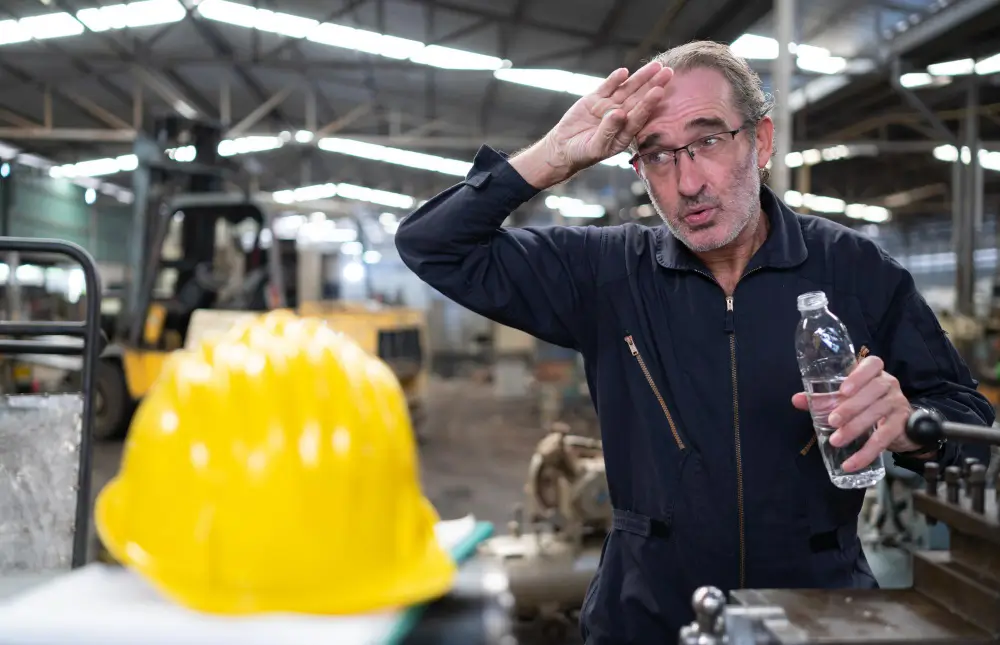
If you’re relying on standard materials or equipment to solve complex industrial challenges, you might be setting your facility up for failure. Not all environments are the same, and the problems they face certainly aren’t. That’s where specialty applications come in.
Specialty applications refer to engineered solutions designed to solve specific operational issues that generic products can’t handle. Think of them as problem-solvers built for tough, high-risk, or highly regulated environments. Whether it’s handling extreme temperatures, fighting corrosion, ensuring sterility, or managing noise and vibration, these applications are the unsung heroes keeping operations running smoothly.
Let’s break down the most critical types of specialty applications used across industries, and why they’re essential for performance, safety, and long-term reliability.
-
Protective Coatings for Corrosion and Chemical Resistance
Corrosion is one of the most costly issues in heavy industries. Specialty coatings and linings are developed to withstand prolonged exposure to harsh chemicals, saltwater, and high humidity. These applications are vital in marine, oil and gas, and chemical processing plants.
Real-World Benefit
A case study by the Journal of Protective Coatings & Linings (JPCL) showed that facilities using high-performance epoxy and polyurethane linings in offshore pipelines experienced up to 35% longer equipment lifespan and reduced maintenance cycles compared to those using standard coatings.
-
High-Temperature Materials and Thermal Insulation
For industrial operations involving high heat, such as boilers, furnaces, and reactors, generic materials often degrade, lose shape, or become safety risks. Specialty thermal insulation, heat shields, and fire-resistant barriers are built to maintain their properties under prolonged thermal stress, improving safety and operational reliability.
Here are common tools used to protect equipment in high-heat conditions:
- Insulation jackets that reduce heat loss on valves and pumps
- Gaskets and panels that keep their form and function at extreme temperatures
- Wraps that shield process equipment from heat damage
-
Hygiene and Sterility Solutions
In food processing and pharmaceutical environments, strict hygiene is non-negotiable. Even small lapses can cause contamination, product recalls, or regulatory penalties. Specialty applications such as antimicrobial coatings, seamless surfaces, and sanitary-grade materials are designed to eliminate areas where bacteria can thrive and make cleaning more effective.
Facilities that commonly use these include:
- Cleanroom-certified coatings that meet health and safety standards
- Non-porous sealants that prevent microbial infiltration at joints
- Rust-resistant surfaces that maintain sanitary conditions over time
-
Fire and Explosion Protection Systems
In environments that store or process flammable substances, the risk of fire or explosion is significantly higher. Fire safety must be part of the facility’s design to avoid injuries, equipment damage, or shutdowns. Specialty applications are tailored to help contain these risks:
- Fire-retardant panels slow the spread of flames and reduce the risk of structural failure.
- Intumescent coatings expand under heat to form a protective barrier around surfaces.
- Explosion-proof doors are built to withstand pressure surges and prevent further damage.
These are commonly installed in high-risk zones such as chemical mixing areas, fuel storage tanks, and control rooms.
-
Noise and Vibration Management
Industrial environments often face continuous exposure to high noise levels and mechanical vibrations. Over time, these can harm worker hearing, disrupt operations, and cause premature wear on equipment. Specialty applications are designed to mitigate these risks by absorbing sound, isolating vibration, and reducing noise transmission.
These are typically used in environments such as:
- Manufacturing floors, where heavy equipment and assembly lines generate constant mechanical noise
- Power generation plants, where turbine and generator operations create high decibel levels
- Building services rooms, where HVAC systems and pumps require sound and vibration control for operational comfort and safety
Learn how calibration and maintenance play a role in our article The Importance of Industrial Equipment
- Industrial Waterproofing and Water Ingress Control
Heavy rainfall, plumbing failures, or undetected leaks can gradually weaken structural integrity, cause mould growth, and lead to costly repairs. Specialty waterproofing applications address these risks with engineered systems that provide long-term protection. Elastomeric membranes create a flexible, watertight barrier over surfaces, while underground drainage systems redirect water away from foundations and sensitive zones.
These systems work best in:
- Factory basements where groundwater pressure can lead to seepage
- Rooftop systems that must handle heavy rainfall and UV exposure
- Water tanks and reservoirs that require internal waterproof lining to prevent leakage
- Durable Signage and Safety Markers
Safety signage plays a critical role in preventing accidents and guiding emergency responses. However, in harsh industrial environments, signs can quickly become unreadable due to salt exposure, extreme temperatures, chemicals, or poor lighting. Specialty signage is built with durable materials and coatings that resist fading, peeling, and corrosion. This ensures they stay legible and intact when they’re needed most. They are especially beneficial in:
- Offshore rigs exposed to salt spray and moisture
- Tunnels and mines where lighting is limited
- Chemical plants with high humidity or corrosive vapours
-
Custom Fabrications for Unique Problems
Not all industrial challenges can be addressed with ready-made solutions. In many cases, facilities need components that are built to fit unique layouts, operating conditions, or safety requirements. Specialty applications can include custom-fabricated barriers, precision-cut fittings, protective covers, or installation methods tailored to deal with site-specific risks or irregular setups.
‘Myth-Conceptions’ About Specialty Applications
Even experienced facility managers sometimes misunderstand specialty applications. Here are a few common myths cleared up:
- Myth: Specialty solutions are too expensive. In reality, they often save money over time by reducing maintenance, downtime, and equipment failures.
- Myth: They’re only for high-risk industries. These applications benefit any setting with demanding conditions, from food processing to manufacturing.
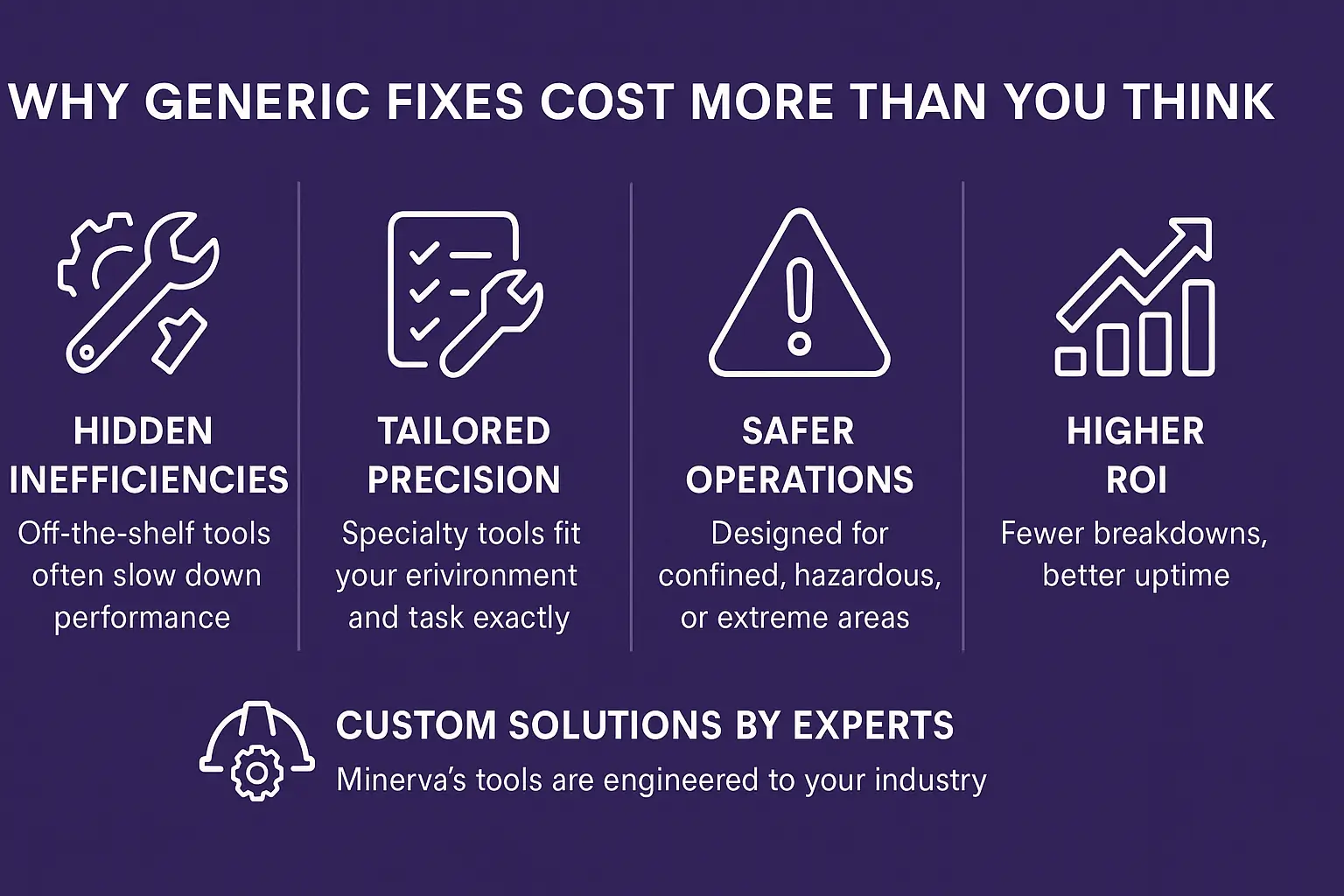
- Myth: Off-the-shelf products are just as good. Generic products may meet basic needs but typically underperform in harsh or unusual environments.
Why Choose Minerva?
Minerva Intra understands that every industrial site has unique conditions. Their expert team sources and implements specialty applications designed to fit complex environments with precision. With a strong presence in Southeast Asia, Minerva’s solutions are trusted by leaders in construction, marine, oil and gas, and manufacturing.
From corrosion resistance to high-heat stability and sterile environments, Minerva offers dependable products backed by technical knowledge and responsive support.
Ready to Upgrade Your Industrial Setup?
Don’t wait for failure to make a change. Get in touch with Minerva today to discuss how specialty applications can solve your specific operational challenges.
📞 Speak with an expert
🔗 Visit Minerva Intra’s Specialty Applications Page
📍 Singapore-based, serving Southeast Asia