TL;DR: Remote monitoring uses real-time data and automation to improve how organisations manage assets and operations. It replaces outdated manual checks with responsive systems that detect issues early, help teams act faster, and support better resource planning.
Key Takeaways:
- Relying on manual inspections limits visibility, slows response times, and can lead to costly inefficiencies.
- Real-time alerts and predictive analytics give teams the ability to solve problems before they grow.
- Remote monitoring adapts as operations scale, making it suitable for multi-site and growing businesses.
- Businesses benefit from faster decision-making, reduced operational costs, and improved asset performance.
Many companies assume their operations are running smoothly until an unexpected disruption proves otherwise. It might be a faulty machine, an overlooked system alert, or unplanned downtime that halts production. These aren’t minor inconveniences. They directly impact efficiency and profitability. For industries managing complex systems and assets, not having real-time visibility can lead to prolonged delays, safety issues, and costly inefficiencies.
What Is Remote Monitoring, Really?
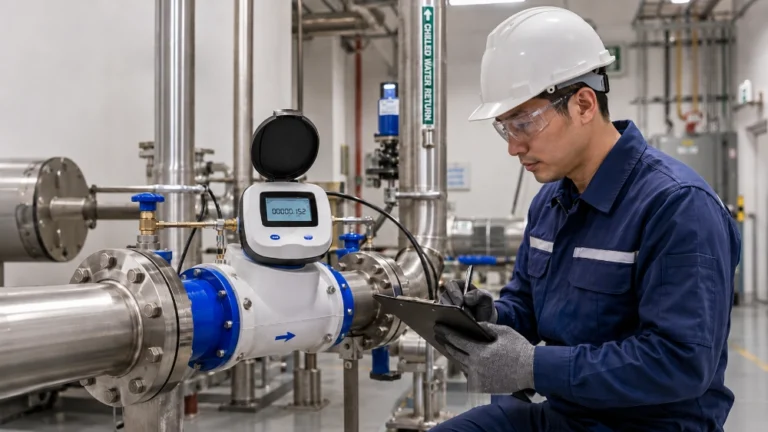
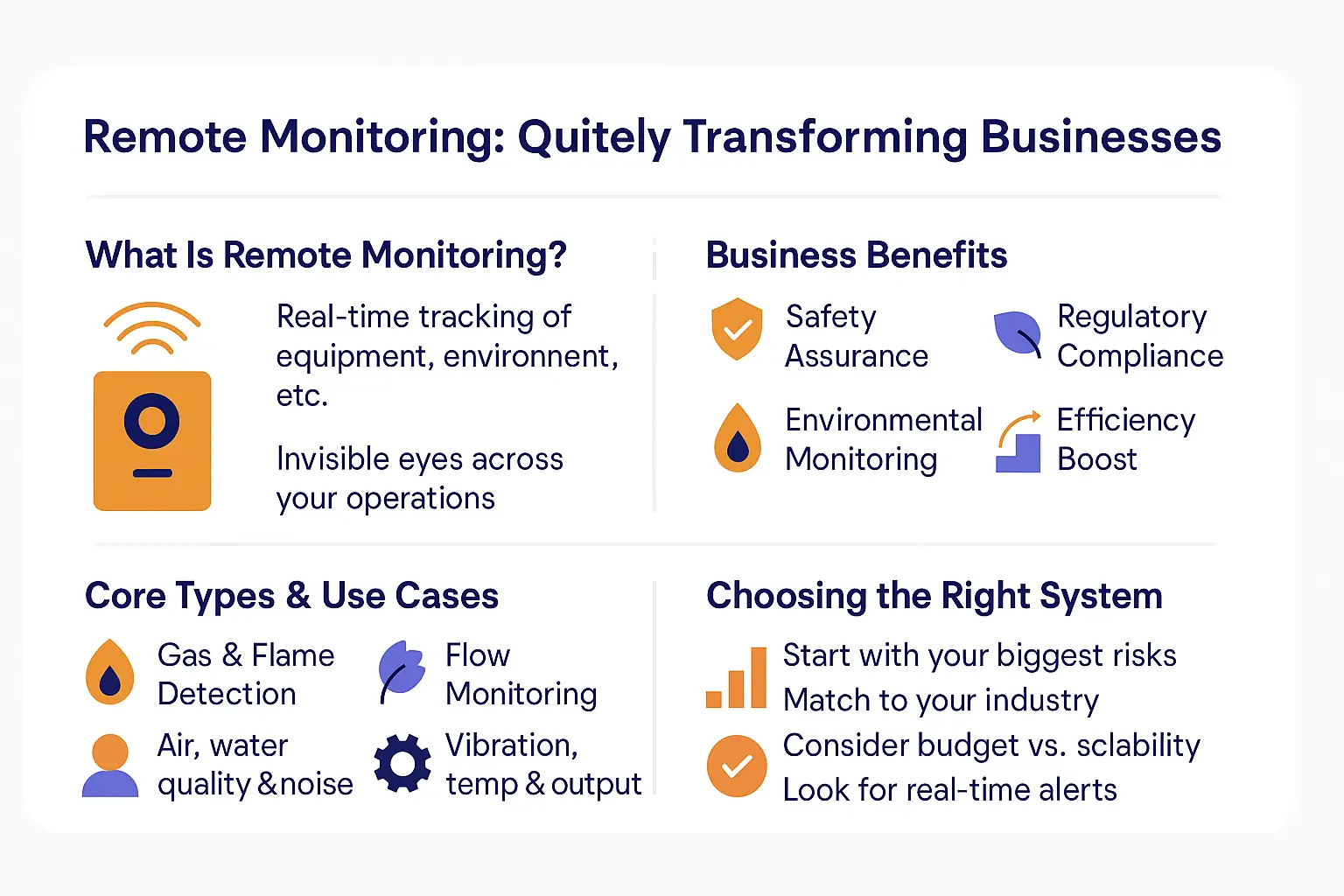
Remote monitoring is much more than security cameras or viewing screens. It involves the continuous collection and analysis of data from essential assets, accessible from any location and at any time. This technology acts like a tireless digital supervisor, constantly keeping tabs on equipment health, operational performance, and energy consumption.
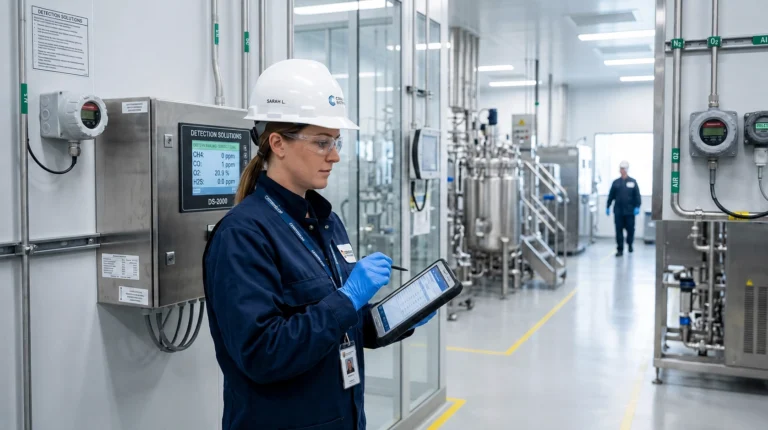
Using sensors and IoT devices, it captures real-time data on critical functions. This information is transmitted instantly to a central dashboard, empowering decision-makers to respond quickly and prevent disruptions before they escalate.
For a deeper look at its impact in specialised sectors like water technology, read our insights on IOT Remote Monitoring in water tech.
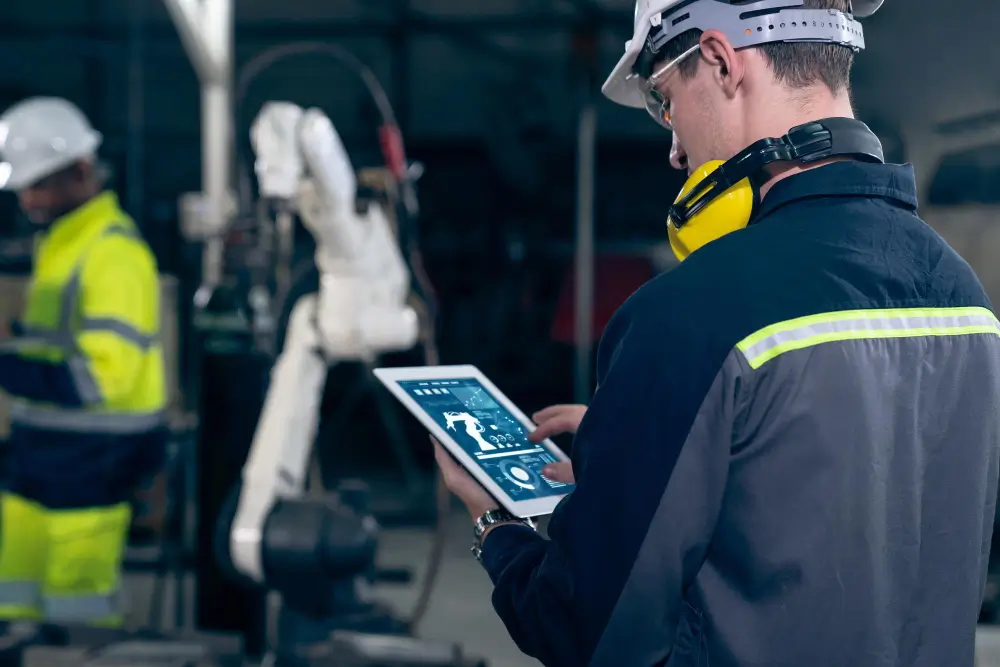
Operational Efficiency: Not Just a Buzzword
Let’s break it down. Efficiency in operations means:
- Minimised downtime, where systems remain active and disruptions are handled immediately
- Reduced human error, achieved by automating routine checks and alerts
- More effective use of resources, allowing teams to focus on high-priority tasks instead of manual inspections
- Lower operational costs, especially in energy consumption and reactive maintenance
- Quicker decision-making, supported by accurate, real-time data
Remote monitoring supports all these goals by identifying potential issues early, triggering immediate responses, and enabling predictive maintenance strategies. Instead of waiting for a fault to be discovered manually, the system alerts your team in real time, allowing problems to be resolved before they escalate.
You Can’t Improve What You Can’t See
Managing a large number of assets across multiple sites presents a level of complexity that manual systems can no longer handle effectively. Traditional inspections are slow and often fail to identify subtle warning signs before they develop into significant issues. Remote monitoring solves this by providing a unified, continuous view of asset performance and condition. It uncovers inefficiencies early, prevents disruptions, and supports more informed management of operational workflows.
Real-Time Alerts
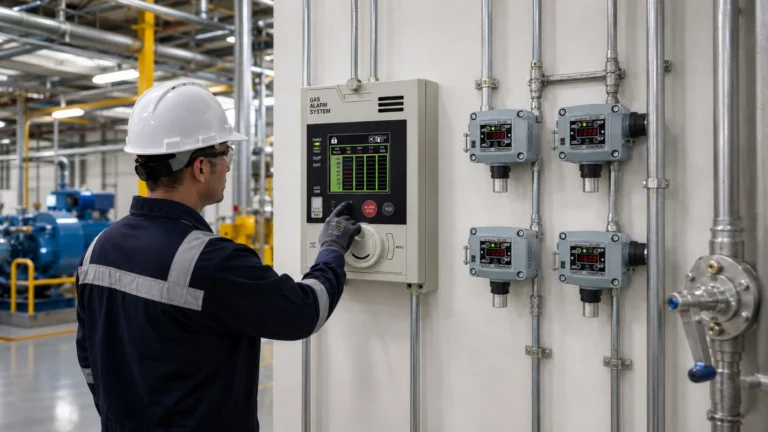
Remote monitoring systems deliver alerts the moment any anomaly is detected. These can range from temperature irregularities to machine malfunctions. Notifications are accurate and immediate, allowing your team to take action quickly and prevent unnecessary downtime.
Data-Driven Decisions
Remote monitoring transforms raw data from your assets into meaningful insights that directly support business performance. The value of this data lies not just in collection but in how it informs daily operations, long-term planning, and proactive interventions.
Key benefits include:
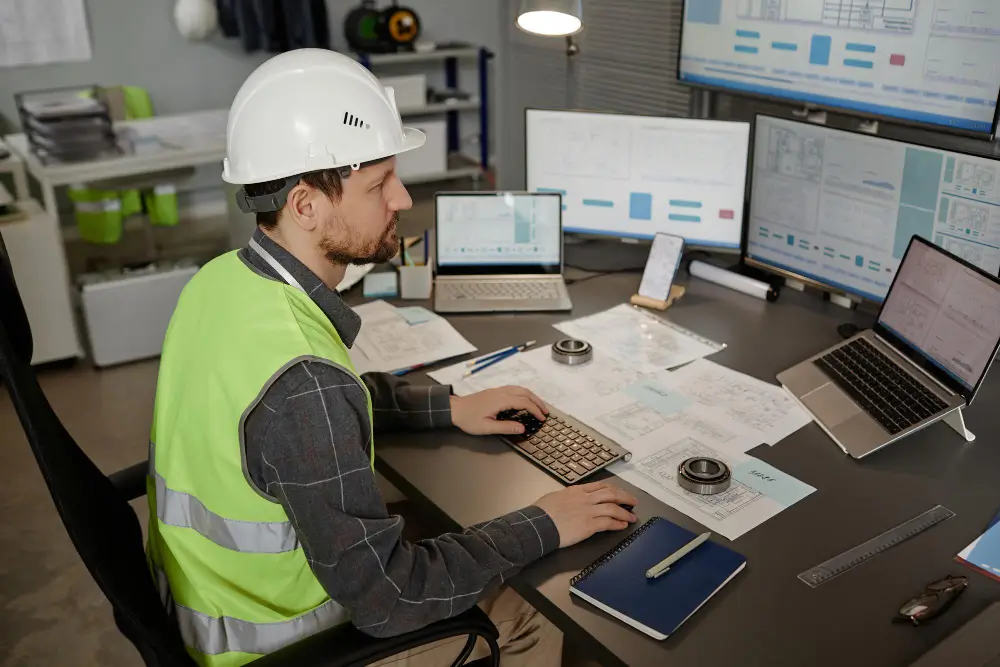
- Visual Dashboards: Intuitive displays help your team track operational status in real time and understand key metrics at a glance.
- Trend Analysis: Historical data reveals performance patterns and highlights deviations that may indicate emerging issues.
- Predictive Maintenance: System-generated reports forecast potential failures, allowing timely intervention before breakdowns occur.
- Resource Planning: Data helps optimise the deployment of personnel, equipment, and maintenance schedules, improving cost-efficiency.
- Waste Reduction: By identifying underperforming assets or energy inefficiencies, teams can make smarter adjustments that cut waste.
- Informed Decision-Making: Managers no longer rely on assumptions. Instead, they base strategies on verified insights that support consistent performance improvements
Scalable Control
As business needs grow, remote monitoring adapts without added complexity. A centralised dashboard gives managers complete visibility and control across multiple facilities. This enables consistent standards, faster response times, and efficient scaling without sacrificing oversight or safety.
Why It Matters to Industrial and Commercial Sectors
This technology extends far beyond the boundaries of traditional factories. It offers valuable operational improvements across various sectors:
- Facilities Management: Enables ongoing monitoring of HVAC systems, lighting networks, water flow, and energy usage. This ensures systems stay within optimal performance ranges, reducing utility costs and maintenance downtime. For a deeper perspective on how this supports workplace safety and regulatory needs, see our article on why environmental monitoring is essential for safety compliance.
- Manufacturing: Tracks the condition of machinery in real time, identifies operational bottlenecks, and alerts staff before equipment faults disrupt production. This improves equipment lifespan and process stability.
- Construction: Provides oversight of mobile machinery, tools, and environmental conditions across multiple job sites. Remote tracking supports better scheduling, safer operations, and reduced idle time for high-value equipment.
- Utilities and Energy: Allows consistent observation of infrastructure such as pipelines, substations, and grids. Real-time status updates and alerts improve safety, regulatory compliance, and resource efficiency.
Remote Monitoring Isn’t the Future. It’s Now
Relying on manual inspections or reactive repairs may seem acceptable on the surface, but in competitive industries, these outdated approaches result in falling behind. Modern operations demand continuous visibility, rapid response, and proactive problem-solving. Automation and real-time data are now essential tools for staying relevant and profitable.
The Risk of Doing Nothing
Assuming a system is working fine without verified data is a frequent mistake that leads to ongoing inefficiencies. Even when systems appear stable, hidden performance issues can quietly impact profitability.
Common risks of inaction include:
- Wasted Energy: Systems may run inefficiently without immediate signs of failure, leading to higher utility costs.
- Labour Misallocation: Staff may be assigned to routine checks that could be automated, limiting their ability to focus on more valuable tasks.
- Delayed Response to Issues: Without alerts, small faults can go unnoticed until they escalate into larger problems.
- Reduced Equipment Life: Missing early warning signs may shorten asset lifespan and increase replacement costs.
- Decreased Productivity: Minor, recurring issues disrupt workflow and reduce output over time.
Without the right monitoring in place, these inefficiencies often go undetected, slowly affecting margins and reducing the organisation’s ability to operate competitively.
It’s Not Just About the Tech
The shift to remote monitoring also involves a change in organisational thinking. It encourages teams to adopt a proactive stance, focusing on prevention rather than reaction. This change replaces assumptions with verified data, reduces reliance on outdated practices, and supports confident decision-making based on clear, real-time insights.
Why Choose Minerva Intra
Minerva Intra isn’t new to this game. With a proven track record in integrated monitoring solutions across Southeast Asia, we provide real-time data visibility and control that helps businesses cut costs, reduce downtime, and stay compliant.
Our IOT Remote Monitoring solution is trusted by industrial, commercial, and government sectors to keep operations smooth and secure. We don’t just provide the tech. We tailor systems that make sense for your business.
Make the Shift Before Your Competitors Do
Still relying on manual logs or basic control panels? It may be time to modernise your operations. Although these systems may seem reliable, they often struggle to keep pace with the demands of modern business. Without real-time visibility, response times are slower and opportunities to act early are missed.
📩 Contact Minerva Intra today to see how our IOT Remote Monitoring solutions can improve your operational efficiency, reduce risks, and support smarter business decisions.